back
blog
AI Isn't a Button
by:
Justin Morissette
Read time:
2 to 3 minutes


Everyone has access to AI. Very few know how to turn it into commercial value. The difference isn't the model, it's the workflow, the judgment, and the creative direction behind every asset.
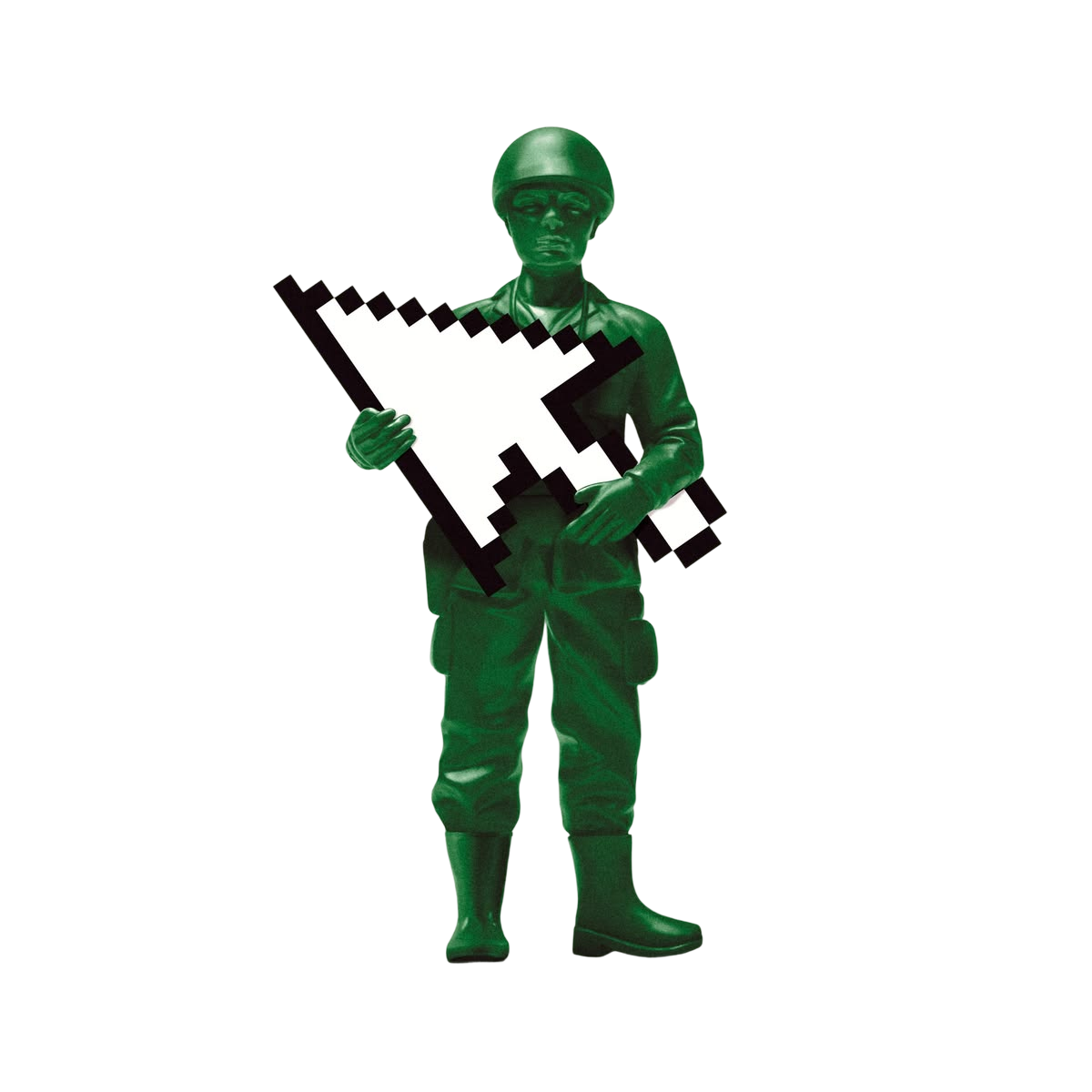
The biggest misconception surrounding AI image generation is that anyone can type a prompt into an AI model and instantly produce professional marketing assets. While modern AI tools have made image creation more accessible, commercial-quality visuals require far more than pressing a button.
Creating assets that are ready for eCommerce, advertising campaigns, websites, sales decks, product launches, and brand marketing involves research, creative direction, iteration, composition, consistency, and quality control.The AI model is simply one component of a much larger production workflow, much like a camera doesn't replace the expertise of a professional photographer or art director.
Commercial AI Requires Systems, Not Prompts
Professional AI visual production relies on orchestrating multiple technologies together. Large Language Models help analyze competitors, define messaging, explore creative concepts, and build structured workflows. Image and animation models handle production, while tools like Figma allow assets to be refined, organized, and adapted into scalable systems for different formats and channels.
The real value comes from designing repeatable workflows that automate repetitive production while maintaining complete control over brand identity, composition, lighting, typography, and storytelling. AI performs the heavy lifting, but human judgment determines whether an asset is commercially viable.


Taste Is Becoming the Competitive Advantage
As AI becomes more capable, the skill shifts away from manually creating every pixel and toward directing intelligent systems with intention. This means knowing when to generate, when to stop, what to reject, and what deserves refinement. Taste, experience, and market understanding cannot be automated.
Two people using the exact same AI model can produce dramatically different results because the quality depends on creative direction, research, iteration, and decision-making, not simply on the technology itself. That's why successful AI workflows look less like "prompt engineering" and more like visual engineering, where automation supports creativity instead of replacing it.
For many businesses, this evolution is making traditional production methods increasingly optional. Instead of organizing expensive photoshoots for every campaign, companies can produce high-quality AI-generated commercial assets faster, test multiple creative directions, and adapt visuals across websites, social media, paid advertising, presentations, and sales material with remarkable efficiency.
AI is not eliminating creative work, it is transforming how it's executed. The competitive advantage belongs to those who can combine research, strategy, automation, and artistic judgment into reliable production systems that consistently deliver visuals capable of supporting real business objectives.
J
U
J
U
M
O
O
M